
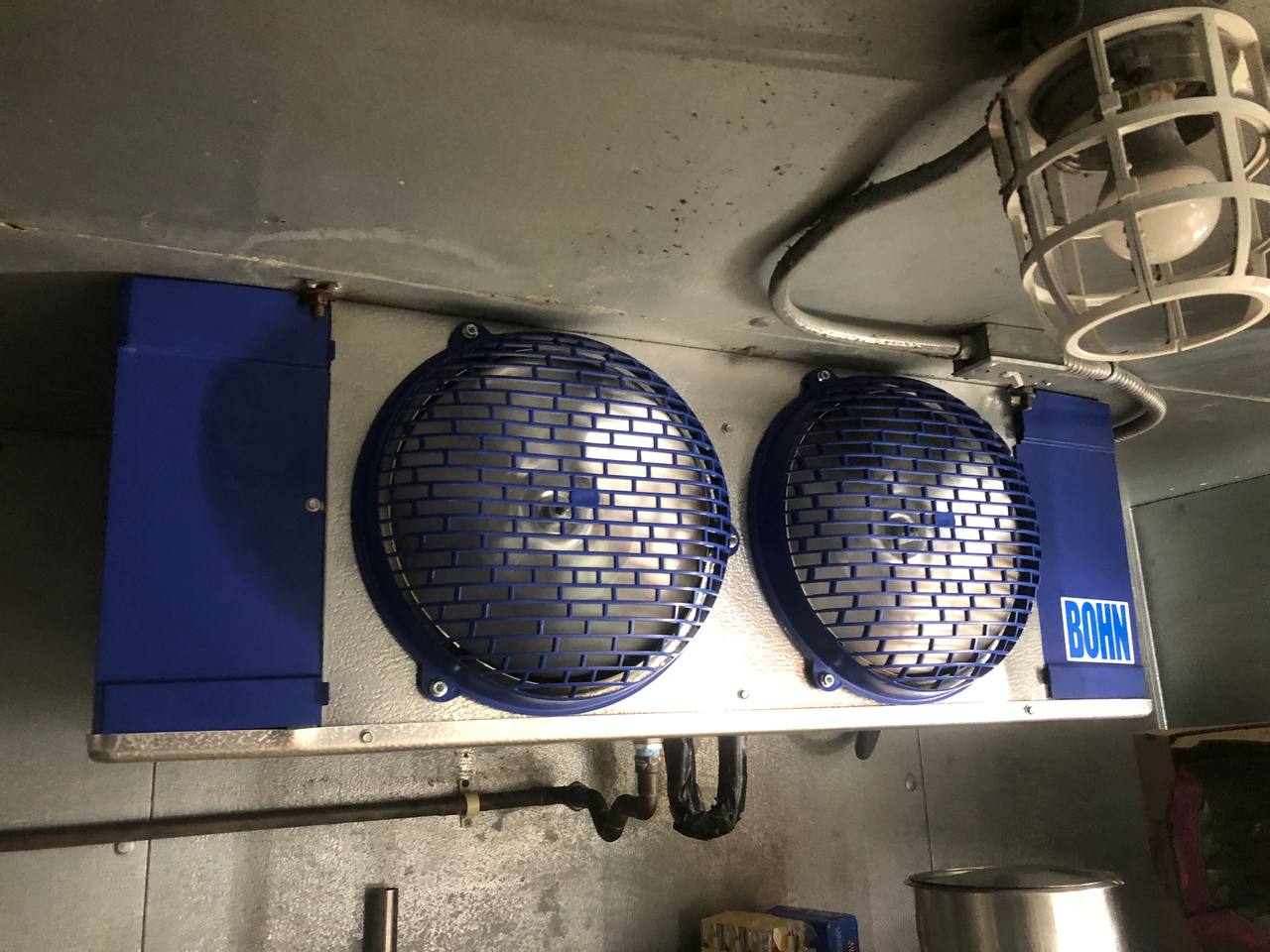
A reach-in or walk-in going warm during service is a revenue problem and a food-safety problem at the same time. Work it in the right order and you save product, avoid a violation, and give the tech something useful to act on. Panic in the wrong order and you cook a compressor or dump a cooler of food you could have saved.
Here is the triage order I give restaurant operators.
Step 1: Protect the food first
Before you troubleshoot anything, deal with the product. Pull a thermometer and read the warmest spot in the box. If you are above 41 degrees F and climbing, start moving food.
- Shift product to any working unit you have: prep tables, a second walk-in, a reach-in with room.
- Pack what does not fit into lexans on ice, or into a chest with ice packs.
- Write down the time and the temperature. If a health inspector asks later, that log is your defense.
The California Retail Food Code sets cold-holding at 41 degrees or below. Past that, you are on a clock. Save the equipment second. Save the food first.
Step 2: Confirm it is actually the cooling, not the power
A surprising share of “the walk-in died” calls are electrical, not refrigeration.
- Check the breaker for that circuit. A tripped breaker reads as a dead unit.
- Confirm the unit is plugged in and the disconnect switch is on. Staff bump these.
- Make sure the thermostat or controller was not knocked off its setpoint.
- Listen. If the compressor and condenser fan are both silent, you likely have a power or control fault. If the compressor runs but the box stays warm, it is a cooling fault.
Step 3: Read the obvious cooling failures
If power is fine and the compressor runs, look for these in order:
- Iced-over evaporator coil. Open the box, look at the coil. A solid block of frost means a defrost failure. Airflow is choked, so the box warms while the compressor runs. This is a common walk-in call. If the coil is iced, shut the unit down and let it thaw to buy time, but the defrost heater, timer, or control board needs a tech to diagnose and replace. It will ice again until that component is fixed.
- Dead evaporator fan. No air movement off the coil means no cold air in the box. Listen for the fan inside the unit. Motor swap on commercial equipment involves wiring and often working around refrigerant lines. Call a tech.
- Filthy condenser coil. A grease-caked condenser out back makes the system reject heat poorly. The compressor runs hot and the box loses ground, worst on the hottest days. A tech will clean it and also check whether the compressor took heat damage from running in that condition.
- Door and gasket. A door left propped, a worn gasket, or a failed auto-closer floods the box with warm humid air. Checking alignment and a gasket swap are things an operator can handle. If the problem is the auto-closer hardware, book a service call.
Step 4: Know when to stop and call
Stop troubleshooting and call a tech when you hit any of these:
- The compressor short-cycles, clicks on and off every few minutes, or runs hot.
- You smell something hot, burning, or electrical.
- You see oil around the condenser or refrigerant lines, which points to a sealed-system leak.
- The coil re-ices within hours of thawing.
- You are not back below 41 degrees within a reasonable window.
Sealed-system work, compressor replacement, and refrigerant handling are EPA-regulated and not a do-it-yourself job. Running a failing compressor to limp through service is how a control-board swap becomes a full system rebuild.
For deeper background on the equipment itself, see our commercial refrigeration repair guide and our commercial refrigeration service page. If the problem is your ice machine instead of the cooler, that is a separate service.
Call when the food is on the line
If your restaurant cooler is down in the Tri-Valley, call ADRIUM at (925) 999-4095 or email welcome@adriumservice.com. We’ll diagnose it, give you a written estimate before any wrench turns, and tell you exactly what the repair involves. We’ve served Bay Area kitchens since 2021. You can also reach us through our contact page.
FAQ
How fast can I save the food? Move product the moment you read above 41 degrees F. Do not wait for the diagnosis. Equipment can be repaired tomorrow; spoiled inventory cannot be un-spoiled.
Is an iced coil an emergency? It is urgent but not dangerous to power down. Shut the unit off, let the coil thaw, and book a tech. The defrost system needs attention before it ices again.
Will running it warm hurt the compressor? It can. A compressor that short-cycles or runs hot is at risk of burnout. If it sounds or smells wrong, shut it down and call.