
Call us about a multi-zone furnace and the description barely changes from house to house. One room roasts, another stays cold, and the homeowner has already decided the furnace is shot. Usually the furnace is fine. The trouble lives on the zone-control side, and the gap between those two conclusions is the difference between replacing a part and a replacement quote north of $5,000.
One furnace, several thermostats, and a panel that referees
A multi-zone setup runs your whole house off a single furnace and a single blower, then splits the airflow with motorized dampers buried in the ductwork. Each zone gets its own thermostat. A zone control panel sits in the middle and makes the calls. When the upstairs thermostat asks for heat, the panel opens the upstairs damper, closes the others, fires the burner, and spins the blower. That coordination is the part that breaks. The furnace just does what the panel tells it.
So when one zone goes wrong, the furnace usually is not the suspect. The thing routing the air is. Or the wire carrying the signal.
What you can check yourself
Before calling anyone, run through these. They take five minutes.
Check that the furnace breaker has not tripped and that the power switch on the unit is on. Confirm the thermostat is set to heat, the fan is set to auto (not manual), and the set temperature is actually above the current room reading. Pull the filter and look at it. A badly clogged filter starves the blower and can cause symptoms that mimic a zone failure. Replace it if it is due and give the system 15 minutes to recover.
If none of that clears it, you are past homeowner territory. The rest is diagnostic work that needs tools and training.
The handful of failures I actually see
Most multi-zone service calls land on one of four problems, and they each leave a different fingerprint.
A stuck damper or failed zone valve shows up as one zone that never heats while everything else runs normally. You can hear the furnace going. Air moves at the working registers. The dead zone gets almost nothing because its damper is jammed shut, so the thermostat keeps calling and nothing changes. The actuator itself is cheap. Labor depends on where the damper sits in the ductwork.
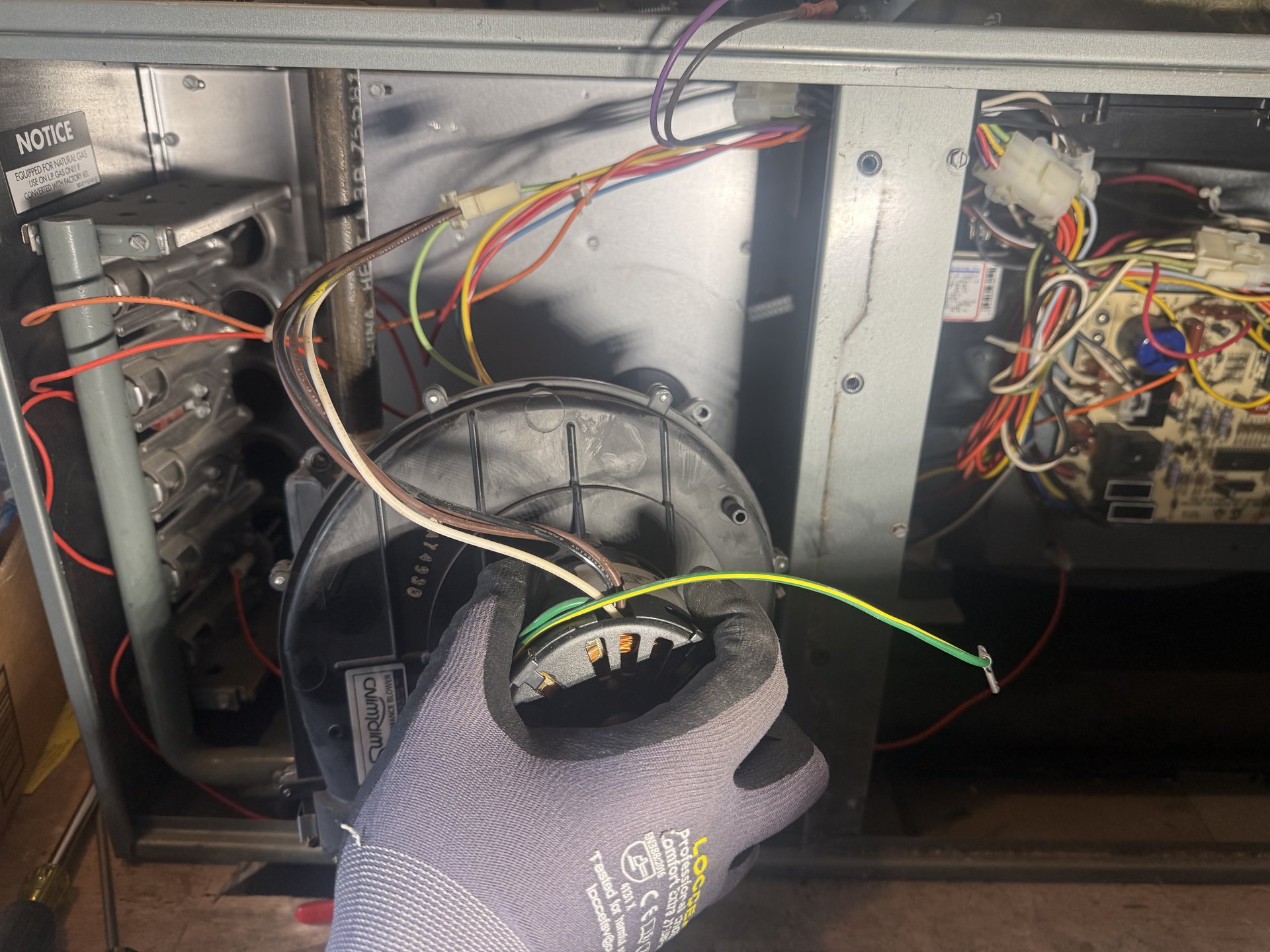
A blower motor going out of spec hits every zone at once, which is the tell. You get new rumble or vibration, sometimes a clatter, and the system trips off because airflow dropped below the safety threshold or the motor is pulling too much current. Worn bearings mean a motor replacement. A wheel packed with debris is a cleaning. I have seen a cleaning job ignored until the motor seized, and then the same customer paid for a motor replacement.
Loose 24V thermostat wiring is the sneaky one. A single zone misbehaves on and off. The thermostat reads correctly, yet the system answers sometimes and ignores it other times. On a zone panel those low-voltage terminals flex through years of heating and cooling cycles, and one works loose. A tech can find and re-terminate the loose connection quickly, but it is the easiest thing in the world to walk past if you are not looking for it.
A failing control board throws the messiest symptoms: settings that do not stick, zones turning on at the wrong time, the blower running with no call for heat at all. Age does it. So do surge events after a lightning storm. Swapping one is a job for a tech who knows the wiring map.
Cheapest causes first, furnace last
The order of the diagnostic is the whole game. The rule I use on a multi-zone is to start where the common, inexpensive failures live and only open up the furnace at the end. First we confirm the symptom pattern: which zones are off, which are fine, and whether it tracks with outdoor temperature. Then the thermostat terminations at each affected zone get a look. We test the panel, confirm it hears each thermostat and commands the right dampers, then cycle every actuator open and closed. The blower we verify by ear and by measuring current draw and airflow at the registers. The furnace gets inspected last.
Run it the other way around, open the furnace first, and that is exactly how a homeowner ends up holding a five-figure quote for a problem a damper actuator would have solved.
When it really is the furnace
Sometimes the equipment is the culprit, and a few symptoms point straight at it. Short-cycling on a high-limit trip suggests the furnace is overheating, which can mean a heat exchanger problem. Unreliable ignition points at the gas valve, flame sensor, or igniter. A tripping pressure switch usually means a blocked vent or a tired inducer motor. If the zone controls all check out clean, the furnace is the next stop. It is just not the first stop. You can read more about how we approach these on our furnace repair page.
Call us before it gets expensive
A tech should describe the diagnostic before picking up a tool. If you hear “I will look at the furnace and see what it needs” with no mention of dampers, the panel, or the thermostat wiring, that is the wrong inspection. Ask plainly: will you check the zone valves and control panel before recommending furnace work? Yes means you are in good hands. “Well, it is usually the furnace” is your cue to get a second opinion.
That is exactly how we work. We start at the zone-control side, confirm what is actually failing, and give you a written quote with one total price before anything gets replaced. Zoning questions on high-end or ducted systems can involve our HVAC division, Bay Area HVAC Service, and we coordinate that when the job calls for it.
If one zone is dead, every zone runs weak, or the system is doing something it should not, call us. We get most customers on the schedule fast, often same or next day when we can.