
The labor warranty most Bay Area HVAC contractors hand you runs one or two years. On every system we install, ADRIUM writes ten years on parts, and two years on labor, standard, extended to ten if you keep our maintenance plan active, subject to contract terms. Customers ask why during the quote, usually with a little suspicion, so here is the full answer.
Parts coverage is the easy half
Almost every modern HVAC system already carries a ten-year manufacturer parts warranty on the big components: compressors and heat exchangers (check your equipment’s warranty card for other components). If one of those fails inside the window, the manufacturer ships the replacement and the parts cost is zero. So when a shop advertises “ten years on parts,” they are quoting you coverage the factory already obligates them to honor. It costs the installer nothing to pass along.
Labor is the part that sits on the contractor’s own books. We drive out under warranty, find the fault, pull the failed component, set the new one, recover and recharge refrigerant, then leak-test the system. Nobody reimburses us for those hours. That exposure is real, and it grows with every install we put in the ground. A shop doing several hundred systems a year on ten-year labor carries a decade of return visits as a standing liability. Capping labor at a year or two keeps that number predictable. I understand the logic. I just made a different call.
The ten years is tied to the maintenance plan
The ten-year labor term isn’t unconditional. It runs two years standard, and it stays extended to ten only if the equipment is on our maintenance plan: two visits a year, $290 each. Every visit is a new filter, a full diagnostic, and a system cleaning. Keep both visits current and labor coverage runs the full decade. Let the plan lapse and it steps back to two years for anything from that point on. It’s the same principle manufacturers use when they require registered maintenance to keep an extended parts warranty valid, I’m applying it to labor.
A long labor warranty forces the install to be clean
Here is the part that matters to you as a homeowner. When I know I am on the hook for labor for ten years, I cannot let the crew cut corners, because every corner comes back to my own schedule and my own cost.
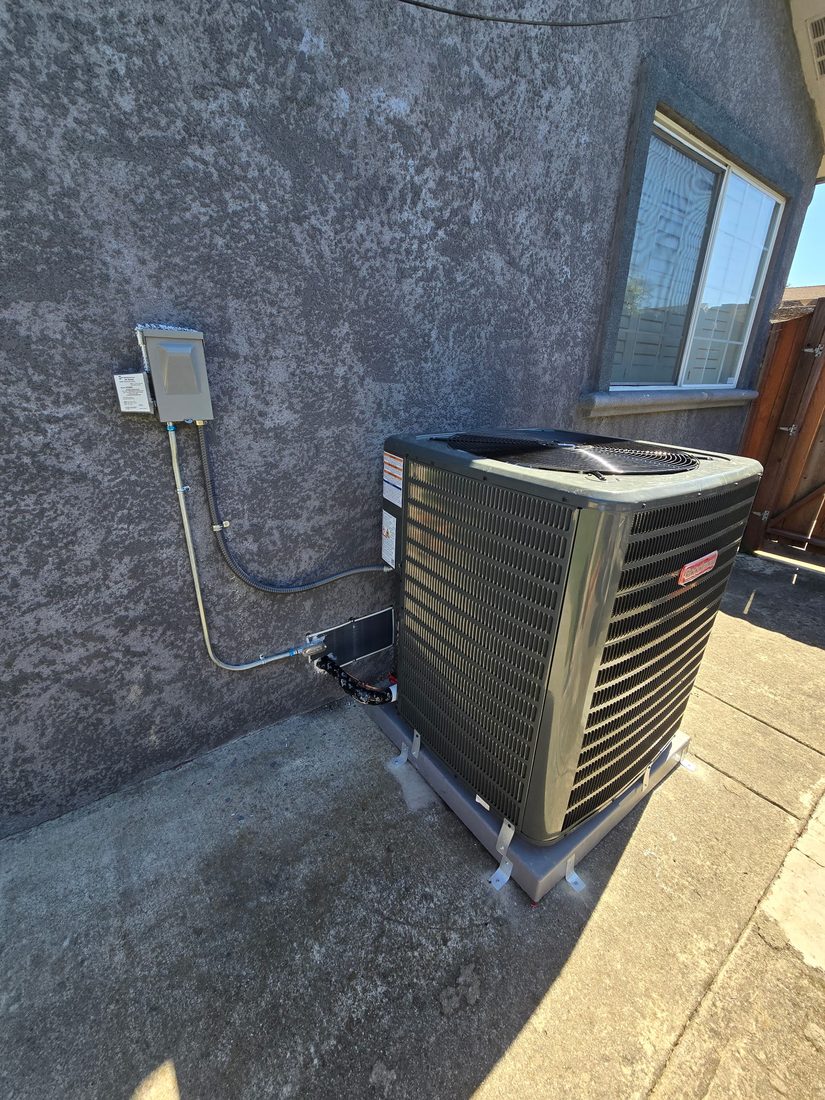
Skip the proper vacuum pull on the refrigerant lines and you get moisture in the system, then a service call eighteen months later. Reuse a cracked condenser pad. Leave duct joints sealed with whatever the last installer used. Undersize the disconnect. Skip the surge protector. Each of those becomes a warranty visit I pay for. The warranty is really a constraint pointed at my own crew. It pushes install quality up across the whole job, and the customer gets both the coverage and the better installation underneath it.
Your quote will show the scope some bidders leave off
Because we install to a standard we have to live with for a decade, our estimate spells out the full scope for one total price, and you will see things a cheaper bid quietly drops. A vacuum pull to the manufacturer’s micron spec, not “felt about right.” A new disconnect box and whip with surge protection. A fresh condenser pad. Duct sealing at the air handler connection. Panel or electrical updates where the existing work does not meet code. We write all of it down before any work starts, and the $99 diagnostic gets credited toward the repair.
This standard holds whether the system is a furnace, a heat pump, or a ductless setup. We are EPA Section 608 Universal certified and CSLB licensed (#1136642). On the equipment side we are Daikin factory-trained technicians. The deeper energy work, rebate filing, and Home Energy Score audits run through our HVAC division, Bay Area HVAC Service.
Ask every bidder one question, in writing
When you collect HVAC quotes, ask for the labor-warranty term in the contract language, not the salesperson’s verbal promise. One year is the floor. Two is slightly above it. Five is worth noting. Ten years of parts, plus labor that runs two years standard and extends to ten with an active maintenance plan, written down and subject to contract terms, tells you the contractor has structurally tied their own money to how well the system goes in. That number predicts install quality better than any star rating you will read.